


rickycardo1
Miembro de plata
45 mil años. SWAZILANDIA
. SUR DE AFRICA
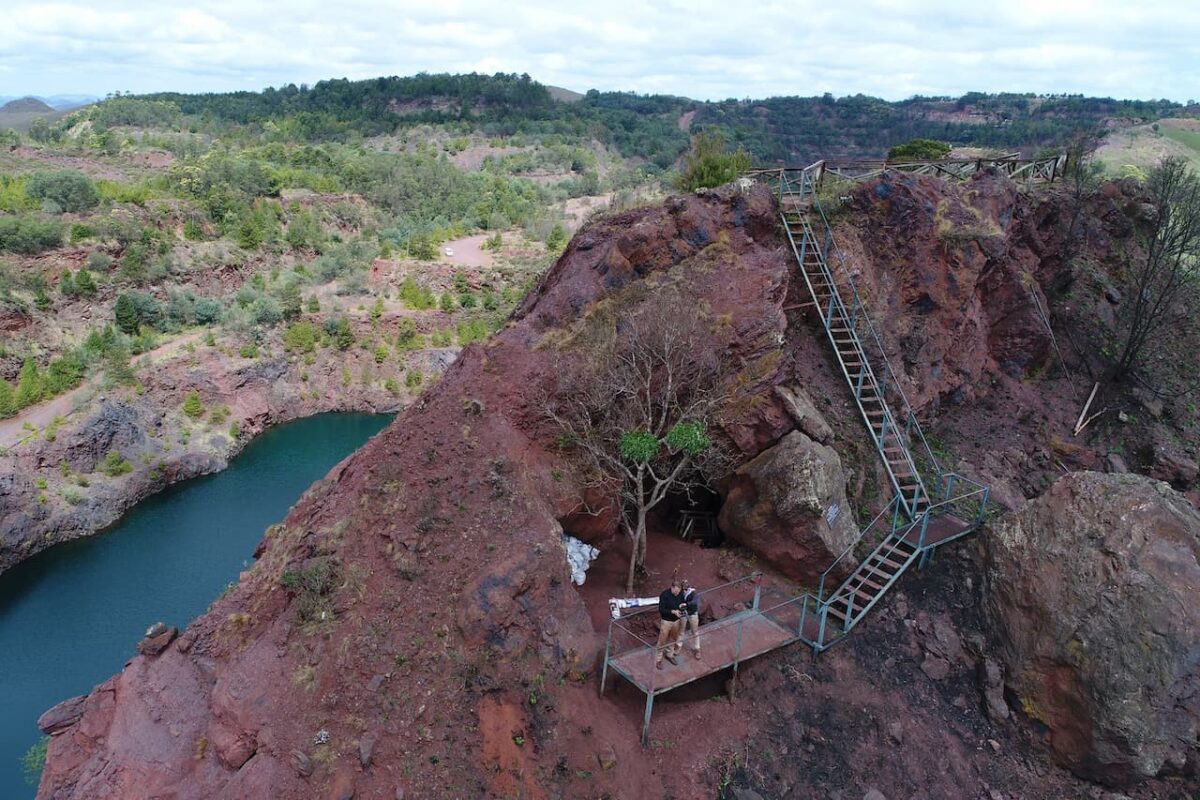
Hasta hoy, Lion Cave es considerada la mina más antigua del mundo, datada hace 43,000 años y ubicada en Suazilandia (actualmente Esuatini) en África. En ese entonces, los hombres del Paleolítico excavaban en busca del mineral compuesto de hierro y hematita, que extraían para producir un pigmento llamado ocre.
Deposits at Ngwenya were worked at least 42 000 years BP (Before Present) for the extraction of red haematite and specularite (sparkling ores). The peoples concerned belonged to the Middle Stone Age, which flourished in southern Africa for about 100 000 years, until almost 20 000 years ago. The red ochre was also used by later peoples. the ancestors of the present San (Bushman) peoples for their rock paintings, of which there are many in Swaziland. The Swazi names of these pigments "libovu" (red ochre) and "ludumane" (sparkling ochre) indicate that exploitation of these minerals extended into historical times.
By about 400AD other, Bantu-speaking, peoples had arrived from north of the Limpopo River. They were agro-pastoralists who also smelted iron ore. They extracted the ore by using extremely heavy iron hammers and traded the iron widely throughout the region.
. SUR DE AFRICA
Lion Cave (Cueva del León)
En esta oportunidad, Fidel Sánchez Alayo, empresario peruano especialista en proyectos mineros, nos comparte información sobre las minas más antiguas del mundo y los minerales explotados en esas épocas.Hasta hoy, Lion Cave es considerada la mina más antigua del mundo, datada hace 43,000 años y ubicada en Suazilandia (actualmente Esuatini) en África. En ese entonces, los hombres del Paleolítico excavaban en busca del mineral compuesto de hierro y hematita, que extraían para producir un pigmento llamado ocre.
El ocre ha sido utilizado durante miles de años en el arte rupestre, decorar objetos e incluso en la ornamentación personal. – Fidel Sánchez Alayo
Cuadro situacional
Las minas de Ngwenya están situadas en las estribaciones orientales de los montes Drakensberg, cerca de la frontera noroeste de Suazilandia, en el distrito Hhohho. En otros sitios con origen en la Edad de Piedra también se practicó la actividad minera, aunque en fechas más recientes. La industria extractiva, ya definidamente propia de Homo sapiens, que acontecía en la mina original de Ngwenya, lo hacía coetáneamente con la presencia de la especie extinta del Homo neanderthalensis en tierras europeas. Las herramientas de minería halladas en Ngwenya son de un tipo reconocible, especializadas para el fin extractivo, y con características propias del sitio, distintas de aquellas que fueran halladas en otros yacimientos arqueológicos de la Edad de Piedra. En la primordial excavación minera de Ngwenya está primerizamente presente la tecnología minera que fue empleada tiempo después en Europa.Ngwenya Mines
Description
Ngwenya Mine is situated on the north-western border of Swaziland. Its iron ore deposits constitute one of the oldest geological formations in the world, and also have the distinction of being the site of the world's earliest mining activity.Deposits at Ngwenya were worked at least 42 000 years BP (Before Present) for the extraction of red haematite and specularite (sparkling ores). The peoples concerned belonged to the Middle Stone Age, which flourished in southern Africa for about 100 000 years, until almost 20 000 years ago. The red ochre was also used by later peoples. the ancestors of the present San (Bushman) peoples for their rock paintings, of which there are many in Swaziland. The Swazi names of these pigments "libovu" (red ochre) and "ludumane" (sparkling ochre) indicate that exploitation of these minerals extended into historical times.
By about 400AD other, Bantu-speaking, peoples had arrived from north of the Limpopo River. They were agro-pastoralists who also smelted iron ore. They extracted the ore by using extremely heavy iron hammers and traded the iron widely throughout the region.


